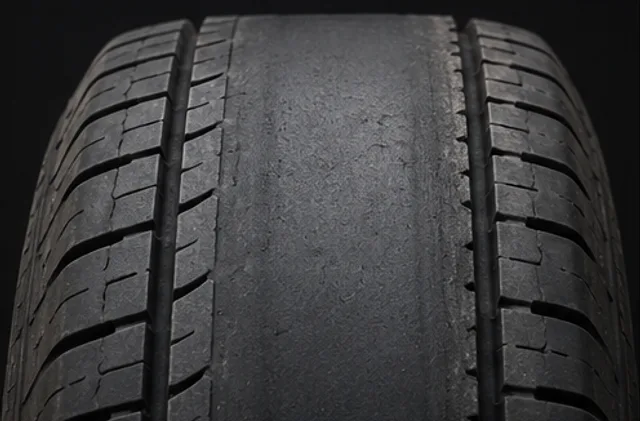
TIRE CENTER · Damage, wear & replacement
Tire noise
A new sound deserves attention
A hum, whine, repeating thump or click describes what you hear; it does not identify one failed part. Persistent new noise or handling changes warrant inspection.
Sound can have several origins
Describe what you already noticed
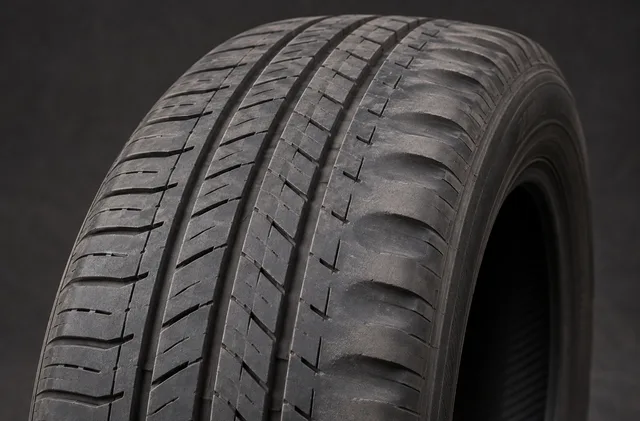
Give an observation, not a diagnosis
A useful symptom report
- “A new hum began after the last trip. I noticed it on pavement, and there is also new vibration.”
- Add when it started, prior service, pressure loss and any handling change already noticed.
- These observations help inspection without assuming a bearing failed or alignment will solve it.
Serious damage is a separate decision
Two different reasons to act
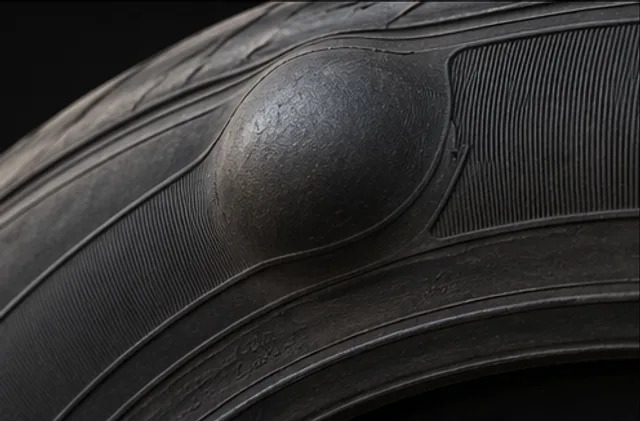
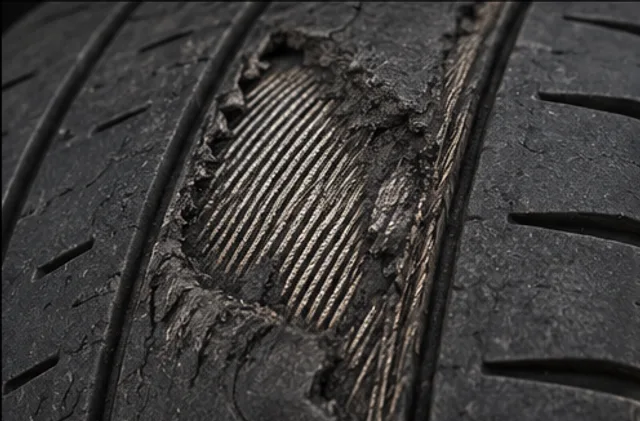
VISIBLE SERIOUS DAMAGE · REPLACEMENT REQUIRED
Structural bulge / impact break, exposed cords or severe structural/tread damage: unserviceable, replacement required. Do not continue normal driving; arrange appropriate assistance. The cause may also need investigation.
NEEDS INVESTIGATION
New vibration, unusual noise, repeated pressure loss or ordinary irregular wear without terminal damage: inspect the cause. These symptoms alone do not automatically mean replacement.
Sources and Technical Notes
Technical concepts reviewed 2026-10-10. Actual application instructions remain controlling.
- Michelin: tire FAQs, noise and cupping (opens in a new tab)
- Michelin: wear problems (opens in a new tab)
- Michelin: sidewall damage and replacement (opens in a new tab)
Application-specific details and scope
A sound-to-fault chart cannot reliably identify the cause of a particular vehicle’s noise. Tire design, irregular wear and mechanical components can produce overlapping symptoms.