TIRE CENTER · Maintenance & mobile service
Mounting, balancing & alignment
Start with the assembled tire and wheel
Tire + compatible wheel
What a proper professional balance looks like
Balancing corrects uneven weight as the tire/wheel spins. Simply seeing wheel weights does not prove it was balanced correctly. The views below show setup, measurement, correction and verification—not DIY weight-placement instructions.
1 · Mounted straight and centered
2 · Machine measures uneven weight
3 · Correct weights, amount and place
4 · Check the result
Alignment changes something different
Alignment views: angles
If the vibration remains
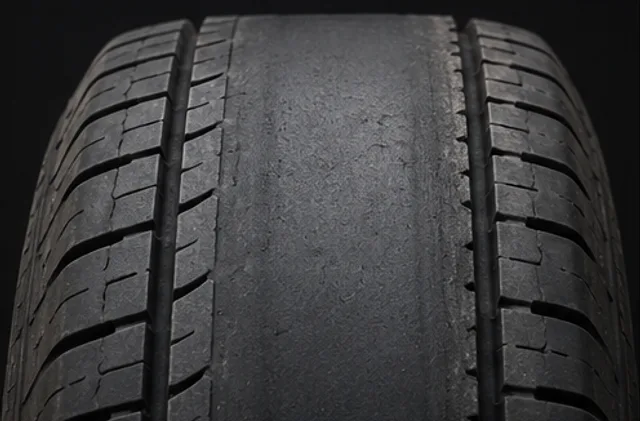
Imbalance can cause vibration and irregular wear, but tire/wheel damage and other mechanical faults can too. Balancing cannot repair structural damage or guarantee every vibration disappears. Persistent symptoms need further inspection.
Speedy J’s balances serviced applications with available equipment.
Sources and Technical Notes
Technical concepts reviewed 2026-10-10. Actual application instructions remain controlling.
- Michelin: alignment and balancing (opens in a new tab)
- Hunter: balancer operating guidance (centering, weights and verification; no shop equipment claim) (opens in a new tab)
Application-specific details and scope
Hunter’s operating guidance supports the general setup, measurement, correction and verification principles shown here. It does not establish that Speedy J’s owns that equipment or offers its proprietary road-force, laser or diagnostic features. Procedures and correction requirements depend on the actual balancer and application.